

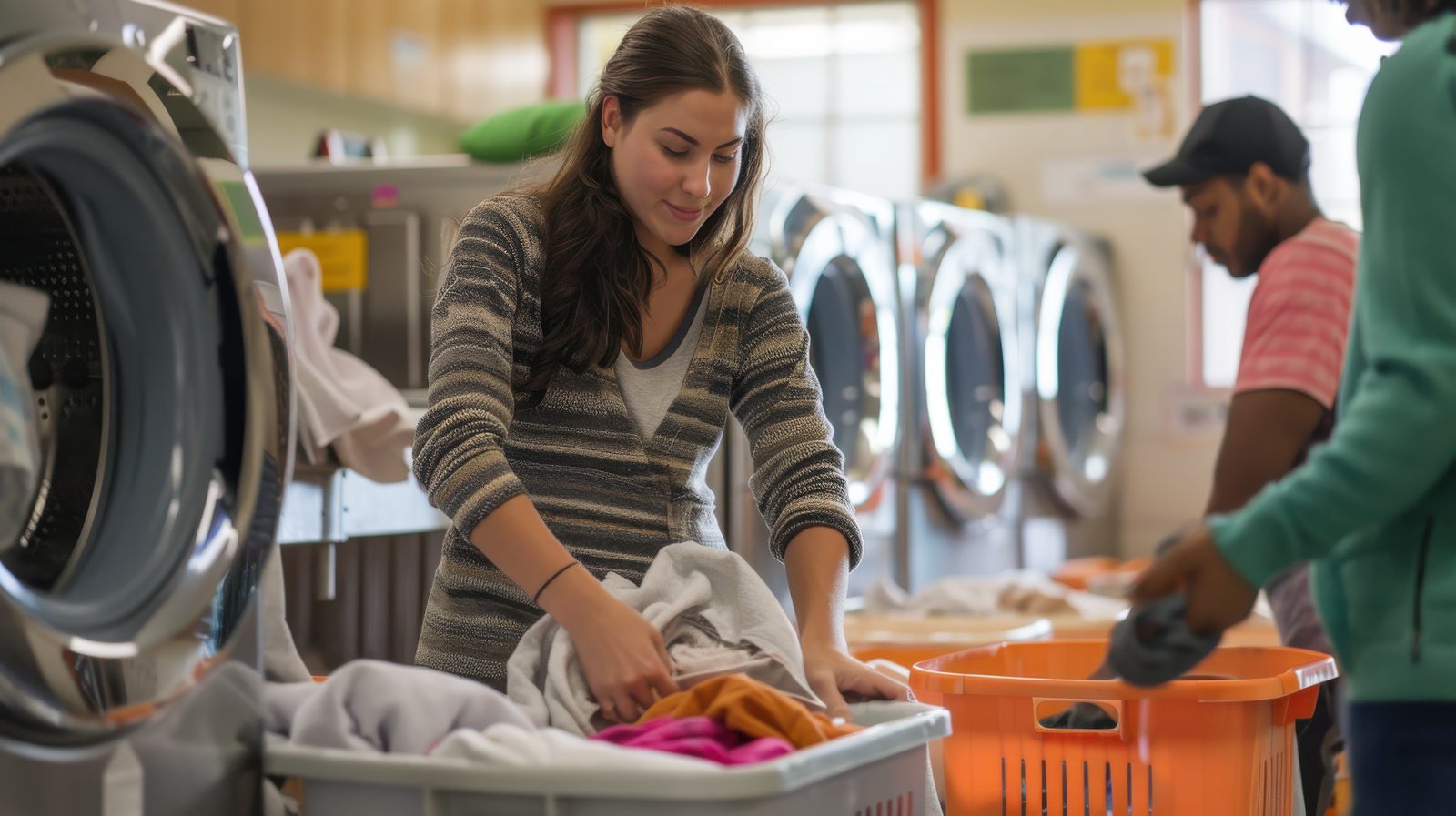
On-site laundry is a strong amenity for hostels, PGs and residential apartments across India. Yet the upfront cost of buying commercial machines and maintaining them stops many owners. A zero-investment laundry setup removes that financial barrier for the property.
Under this model, a specialist provider purchases, installs and services the commercial laundry machines. The property supplies a suitable space and the necessary utility connections. Residents then pay for each wash cycle through a simple mobile app.
This guide explains how managed laundry plans work in practical terms. You will learn how the Managed, Co-Sponsored and Fully Sponsored plans differ from each other, who pays for what, and what your property must provide. The key idea is simple: you decide the level of subsidy, not the level of service.
How the Managed Laundry Model Works
“A zero-investment laundry setup is a provider-owned laundry hub installed on your premises at no capital cost.”
Property owners comparing laundry service ideas usually consider three familiar options. A laundry business startup requires capital for machines, a commercial shop and trained staff. A laundry franchise also expects the owner to invest in and operate the outlet. Laundry pickup and delivery services collect clothes and return them several days later.
A managed plan works quite differently from these traditional approaches. The property purchases no equipment and recruits no additional employees. Residents wash and hot-dry their own clothes in a single visit, using commercial machines on the premises.
The mobile app replaces the counter, the cash box and the on-site attendant. Residents check live machine availability, reserve a convenient slot and scan a QR code to unlock the machine. They pay for each program from a prepaid digital wallet and receive alerts in real time.
Behind the scenes, the provider monitors every machine around the clock and often carries out servicing before a fault interrupts a wash cycle. The provider also owns customer management, including payments and resident support.
Managed vs Co-Sponsored vs Fully Sponsored Plans
This operating model typically comes with three distinct plans. The plans differ in only one respect: who pays for each laundry cycle. The machines, app, monitoring and maintenance remain identical across all three options.
Managed Plan
The Managed plan is the zero-cost, zero-effort option, and the property covers nothing at all. The provider pays for the water and electricity, and residents pay the standard rate per cycle directly from their app wallet.
Co-Sponsored Plan
The Co-Sponsored plan divides the cost between the property and its residents. The property contributes a portion and residents receive a discounted rate per cycle. The property and the provider share the water and electricity costs, so the property carries only a light running cost.
Fully Sponsored Plan
The Fully Sponsored plan makes laundry completely free for every resident. The property funds every cycle and covers the water and electricity bills, and residents pay nothing at the machine.
The Three Plans at a Glance
Here is a quick comparison of the three plans side by side:
| Plan | Cost to the property | Rate for residents | Best for |
|---|---|---|---|
| Managed | Nothing at all | Standard rate per cycle | Owners who want a benefit with no cost or effort |
| Co-Sponsored | A light running cost | Discounted rate per cycle | Owners who want to soften the rate |
| Fully Sponsored | Cycles, water and power | Free for everyone | Owners who want a standout free benefit |
A lower contribution never means a lower standard of service. Rates depend on the selected plan and the individual site, and providers usually share a quote after a brief inspection of your available space.
Who Pays for What in Each Plan
The cost split answers the most important question for any owner. The table below shows every cost line and identifies who carries it.
| Cost line | Managed | Co-Sponsored | Fully Sponsored |
|---|---|---|---|
| Machines and installation | Provider | Provider | Provider |
| Water and power | Provider | Shared | Property |
| Per-cycle cost to residents | Standard rate | Discounted rate | Free |
| Servicing, repairs and support | Provider | Provider | Provider |
| Space | Property | Property | Property |
| Lint check, pod top-up and tidying | Property housekeeping | Property housekeeping | Property housekeeping |
Two cost lines never change, whichever plan you choose. The provider always owns the machines and manages servicing, repairs and technical support. The property always supplies the space and handles light housekeeping.
Water and Power Use per Load
The utility bill matters most in the two sponsored plans. Here is how a full 9 kg load compares across common washing methods:
| Full 9 kg load | Wash + hot-dry hub | Domestic machine | Hand wash |
|---|---|---|---|
| Amount of water | About 60 L | About 100 L | About 150 L |
| Power used | 2 to 3 units | 1.5 to 2 units | Not applicable |
| Result of one cycle | Washed and ready to wear | Still needs drying | Manual washing and drying |
The hub reduces water consumption to less than half the amount used in hand washing. It does use slightly more electricity than a domestic machine, but those extra units pay for the drying that other methods leave unfinished.
What the Property Provides
The property's responsibilities are limited and manageable. They include space, utility connections and a small amount of routine housekeeping.
Space and Utility Points
You need a suitable space with electricity and water inlets. The machines stack vertically and the overall footprint stays compact, so an underused corner or a vacant common area is often suitable for installation.
Choosing the location involves no guesswork for the property owner. The provider inspects your site and guides the complete setup before installation, and sourcing the equipment is also the provider's responsibility. The hub uses commercial-grade machines designed to handle a real week's laundry.
Light Housekeeping
Your housekeeping team handles only three small, routine tasks:
- A quick lint check every few hours
- Topping up the detergent pods
- Keeping the area clean and tidy
Nothing else falls on your team's daily schedule. Your staff never purchase, operate or repair the laundry machines, and they never collect payments or answer resident queries.
Launch Support
Early adoption decides whether residents use the hub every single week, so a strong launch makes a real, visible difference. Providers support the launch with posters, a first-wash demonstration and practical how-to guides.
Laundry habits form within the first two weeks, which makes the early promotional push important for long-term usage.
What the Model Does Not Cover
This is a fully self-service model. The service does not collect, deliver, iron, fold or dry-clean clothes, and residents should keep delicate fabrics and dry-clean-only garments out of the machines.
Which Plan Fits Your Property?
The right plan depends on your residents, your budget and your welfare goals. Rather than chase trends, match the plan to the real needs on site.
Here is how common property categories tend to choose:
| Property type | Main laundry need | Usual plan fit |
|---|---|---|
| Factory and industry hostels | Workers often hand wash and shifts run at odd hours | Managed or Fully Sponsored as a welfare benefit |
| PGs | Amenities decide bookings and owners watch cost and effort | Managed |
| Apartments | Drying space on balconies and railings causes daily friction | Managed |
| Medical colleges | Students have little free time between postings and exams | Managed or Fully Sponsored where the college funds welfare |
Start with the Managed plan if upfront and running costs are your main concern. Move to Co-Sponsored if residents need a more affordable rate. Choose Fully Sponsored if residents cannot realistically pay per cycle.
The Long-Term Value
Saving time is the benefit residents notice first. With a wash and hot-dry hub, weekly laundry takes about an hour.* A domestic machine with manual drying takes 3 to 4 hours, and hand washing typically takes 5 to 6 hours.
Unlike many amenities that sit unused, laundry remains a benefit residents use every single week.
*Estimated time for a standard laundry cycle.
Frequently Asked Questions
This is an on-site laundry hub that a provider owns, installs and services. The property pays nothing upfront for any machines — it simply supplies a space with electricity and water inlets, and residents operate their own washes through a mobile app.
The provider pays under the Managed plan. The property and the provider share the cost under the Co-Sponsored plan. The property pays under the Fully Sponsored plan, and residents use the machines free of charge.
No. The app manages booking, unlocking, payment and real-time alerts. Your housekeeping team only checks lint, tops up detergent pods and keeps the area tidy. The provider handles repairs, servicing and resident support.
No. Residents load, dry and collect their own clothes on the premises. The service does not collect, deliver, iron, fold or dry-clean any garments.
No. The machines, app, monitoring and maintenance remain identical across all three plans. The plans only change who pays for each laundry cycle.
Key Takeaways
- In this model, the provider owns, installs and services every commercial machine.
- Three flexible plans decide who pays per cycle: residents, a shared split or the property.
- The property supplies space, electricity and water connections, plus light housekeeping.
Ready to compare options for your building? See the three plans, learn how the hub works or request a site check.